
Is your school monetizing your child’s data?
Truth in Education | January 13, 2026

Data Mining Mindfulness – White Paper
Mindfulness programs such as Inner Explorer can generate profits for Big Education corporations by potentially collecting and selling private student and family data.
Mindfulness Programs Explained
Big Education programs have become an integrated part of K-12 public education, promising improved student achievement, discipline, and well-being. Mindfulness programs have specifically emerged, targeting students’ mental health. These programs are often implemented as apps on a student’s school computer and can be done as a teacher-led classroom exercise or by the individual student. Many of these programs come with recommendations and partnerships through major nonprofit organizations such as BrainFutures, which is “dedicated to improving human outcomes by assessing and advancing the practical applications of new scientific understanding of the brain.”[1] Other major organizations promoting the use of mindfulness programs in K-12 education include the GreenLight Fund, MindUP: The Goldie Hawn Foundation, and the Collaborative for Social and Emotional Learning (CASEL).
One example of a K-12 mindfulness program is the InnerExplorer app, which consists of “daily mindfulness programs [which] integrate seamlessly into classrooms,” providing 5-10 minute meditations that students conduct during class time.[2] It is used in over 120 school districts in all 50 states, impacting over 2 million students and delivering over 2 billion “mindful minutes” to classrooms. [Id.] It also provides lessons for individual teachers and even families.[3].
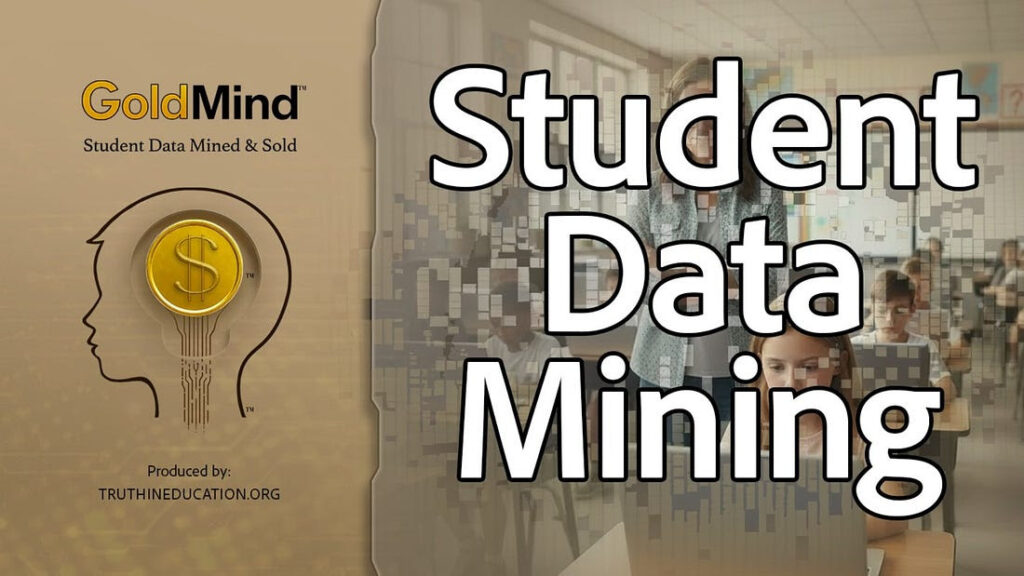
In this powerful GoldMind campaign interview, we sit down with Peg Luksik to expose how student data is quietly collected, analyzed, and monetized through classroom technology and “well-being” programs. Peg breaks down what parents are rarely told about data mining in schools, why it matters, and how these practices can follow children for life. This is a must-watch conversation for anyone who cares about protecting children, privacy, and parental rights in the digital classroom.
A child’s identity is God-given, formed in His image and nurtured through family, faith, and truth—not assigned by algorithms. When schools reduce children to data points, they quietly replace God’s design with digital labels that monitor emotions, predict behavior, and shape beliefs. This data-driven system does not simply collect information; it competes for authority over a child’s heart and mind, drawing identity away from God and placing it into the hands of unseen systems.